Capital
Recover value against the replacement
The residual value of the outgoing system is paid to the practice. That capital lands on the same side of the ledger as the replacement cost.
Controlled deinstallation, compliance records, certified data sanitisation where applicable, and room handover on your date, sequenced around live clinical operations.
The offer, plainly
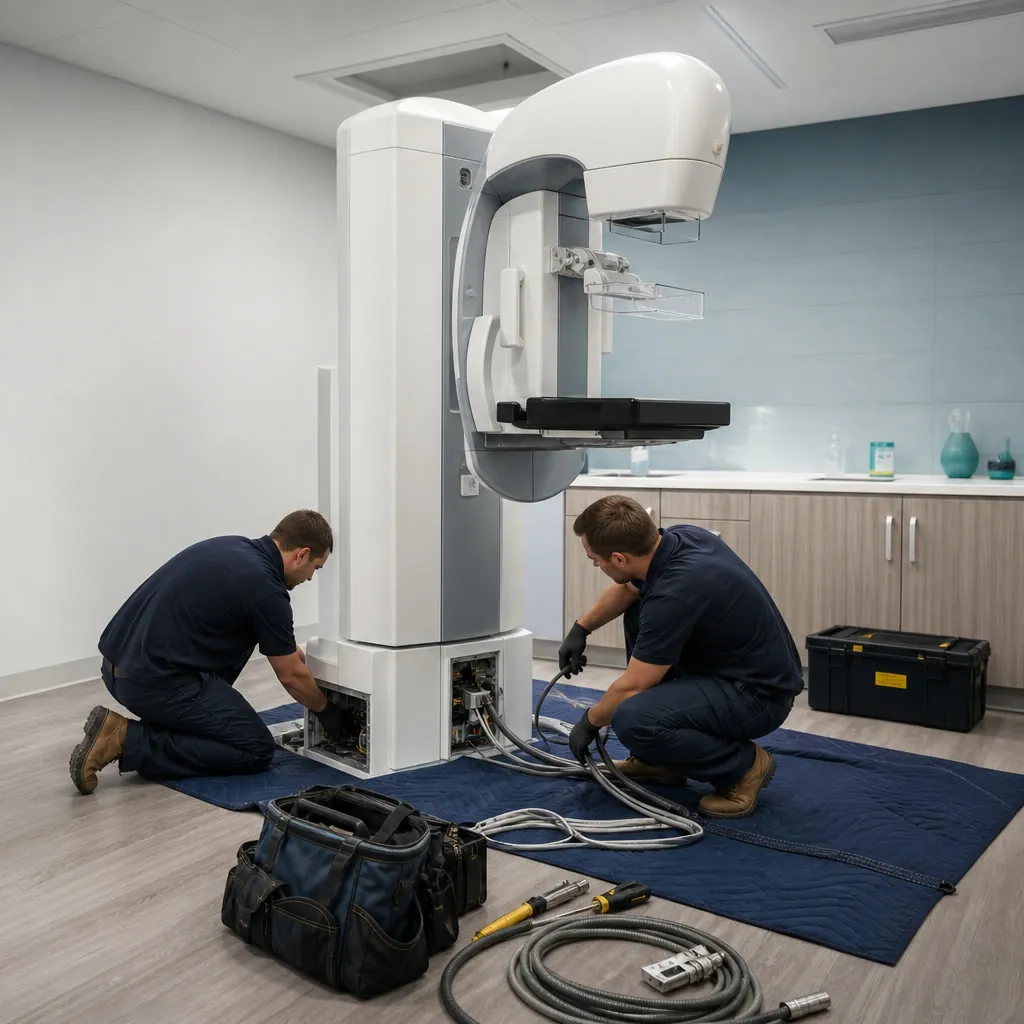
PrimeX pays the residual value of the system directly to the practice, then carries the entire removal: rigging, engineering, logistics, regulatory compliance and site handover. No removal quotes to gather, no disposal fees, no contractor chain to manage.
The valuation request tells you what your system is worth. That is the mechanism, and it is where every engagement starts.
Capital
The residual value of the outgoing system is paid to the practice. That capital lands on the same side of the ledger as the replacement cost.
Downtime
Every idle day is lost billings, cancelled patient lists and referrers quietly re-routing. Deinstallation and removal are scheduled to protect clinical operations.
Coordination
Valuation, rigging, engineering, logistics, regulatory compliance, radiation licence deregistration and site handover are carried by PrimeX rather than landing on your desk. You approve the schedule; we run it.
PrimeX supports radiology networks, public health services and universities across Australia. These are a few examples.
Project assurance
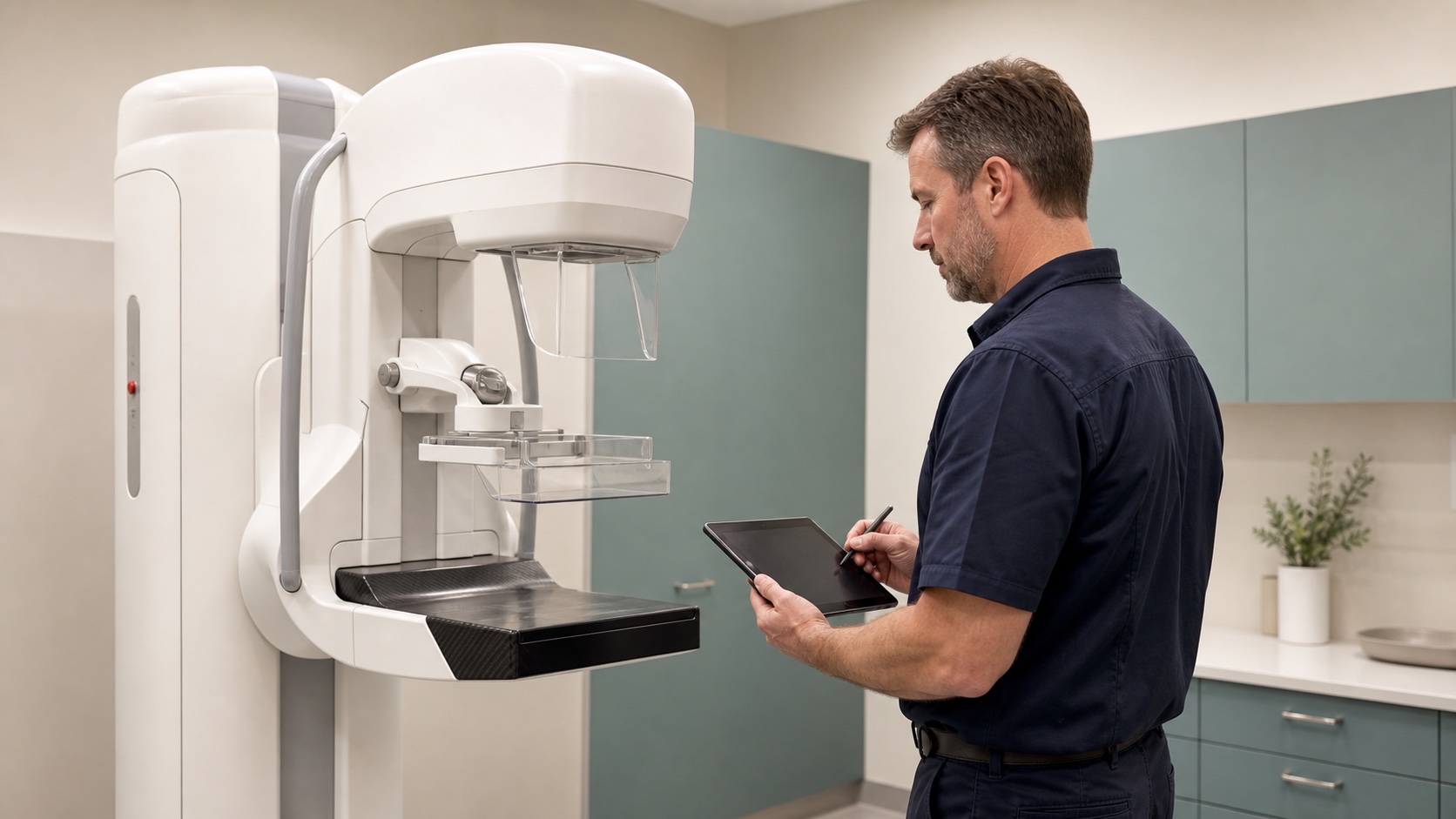
From first valuation to final handover, PrimeX carries the commercial, operational and compliance work as one coordinated scope.
Confirm eligibility and any residual value before the project begins.
Controlled deinstallation, rigging and removal under one accountable scope.
Applicable chain-of-custody, regulator and disposition records close the project.
Work is sequenced around patients, booked lists and the agreed room handover.
Eligibility and residual value depend on the equipment, condition, location, access and timing. Your valuation confirms what applies.
Selecting a modality opens the valuation at the next question.
Most systems continue their clinical service elsewhere. Some reach genuine end of use. Both outcomes require a complete governance file.
Continued clinical service
Genuine end of use
Equipment retirement guidance
PrimeX Medical purchases and removes qualified medical imaging equipment across Australia. We coordinate the complete project—from equipment valuation and commercial agreement through deinstallation, rigging, logistics, compliance documentation and final room handover.
PrimeX manages the retirement and removal of CT scanners, mammography systems, general X-ray equipment, ultrasound systems and other eligible diagnostic imaging equipment.
Multiple systems and multi-site programs can also be assessed. Eligibility depends on the equipment, condition, location, site access and required timing.
Yes. Qualified systems are purchased outright, with any confirmed residual value paid directly to the equipment owner. The valuation considers modality, manufacturer, model, age, condition, service history, configuration, location, access and market demand.
Request a written valuationSubmit the modality, manufacturer, model, operational status and preferred removal timeframe through the PrimeX valuation form. Photos, service records and configuration details can help support the assessment.
PrimeX provides a written valuation for review before the project proceeds.
Begin the valuationRemoval is completed at no charge for systems that qualify for purchase by PrimeX. The written valuation confirms the commercial offer, eligibility and included scope before work begins.
If a system does not qualify, PrimeX can discuss the available retirement or disposition options.
Yes. Deinstallation and removal can be sequenced around booked patient lists, replacement-equipment delivery, construction works and the agreed room-handover date.
Early planning allows access, isolation, lifting, engineering and logistics requirements to be resolved before work begins, reducing the risk of avoidable disruption.
PrimeX establishes the removal sequence before mobilisation and coordinates the relevant contractors and logistics under one project scope. The program can be aligned with the final clinical list, equipment shutdown, incoming-system delivery and room works.
This gives operations teams one agreed schedule and one accountable point of contact.
PrimeX coordinates the contractors and activities required for the approved scope, including deinstallation, rigging, engineering input, transport and site access.
Operations and procurement teams approve the scope and schedule without having to independently coordinate a fragmented contractor chain.
The close-out documentation depends on the equipment, jurisdiction and final disposition. Where applicable, it may include:
The required deliverables are agreed before mobilisation so procurement, asset and governance teams know what evidence will be supplied.
Where applicable, patient data and storage media are identified and sanitised as part of the equipment-retirement process. Relevant evidence can be included in the project close-out file.
The exact method depends on the system, its configuration and the agreed scope. Organisation-specific information-security requirements should be identified during planning.
The destination depends on the equipment’s condition, marketability and remaining useful life. Where appropriate, a system may continue in clinical service elsewhere.
Equipment at genuine end of use may require documented decommissioning, permanent disablement, recycling or disposal. PrimeX coordinates the applicable pathway and records so the outgoing asset can be cleared from the organisation’s inventory.
PrimeX coordinates applicable regulator records and radiation-equipment notifications as part of the agreed project scope. Requirements vary by state or territory and according to whether the system is transferred, redeployed or permanently decommissioned.
The required regulatory pathway is confirmed during project planning.
PrimeX can provide information relevant to supplier review and project onboarding, including applicable licensing, insurance and proposed project documentation.
Organisation-specific requirements—such as contractor induction, site safety procedures, privacy obligations, ethical sourcing requirements or supplier codes—should be supplied before mobilisation.
Yes. Site-specific requirements can be incorporated into the mobilisation plan, including contractor induction, access restrictions, work permits, infection-control considerations and agreed working hours.
Providing these requirements early helps protect the scheduled removal and room-handover date.
Yes. PrimeX supports single assets, multiple systems and multi-site imaging-equipment retirement programs across Australia.
For larger programs, equipment can be assessed by site, modality, replacement date and operational priority to create a coordinated removal schedule and consistent governance record.
Start with the first systemPlanning should begin as soon as a replacement date or capital program is being considered. Early engagement is particularly important for CT systems, restricted-access rooms, complex lifting requirements, multi-site programs and projects tied to construction schedules.
PrimeX can also assess shorter lead-time projects, subject to equipment eligibility, site requirements and contractor availability.
Useful information includes the equipment type, manufacturer and model; serial number and year if available; current status; service history; equipment and room photographs; access-route dimensions; loading conditions; target dates; and site compliance requirements.
An initial enquiry can still be submitted if some details are not yet available.
Submit the details you haveYes. PrimeX provides medical imaging equipment valuation, deinstallation and retirement services across Australia, subject to equipment eligibility, access, timing and the agreed project scope.
PrimeX provides a single point of accountability from valuation through removal and documented handover. Every enquiry is handled directly by the director, giving operations and procurement teams a clear escalation point throughout the engagement.
Start by requesting a valuation for the outgoing system. Provide the modality, operational status and expected removal timeframe, together with the manufacturer and model if known.
PrimeX will assess the equipment, confirm the proposed commercial and removal scope, and identify the information needed to develop the project schedule.
Request a valuation for your outgoing equipment